By Clara Carter-Klauschie
Managing Editor of the Daily Delegate
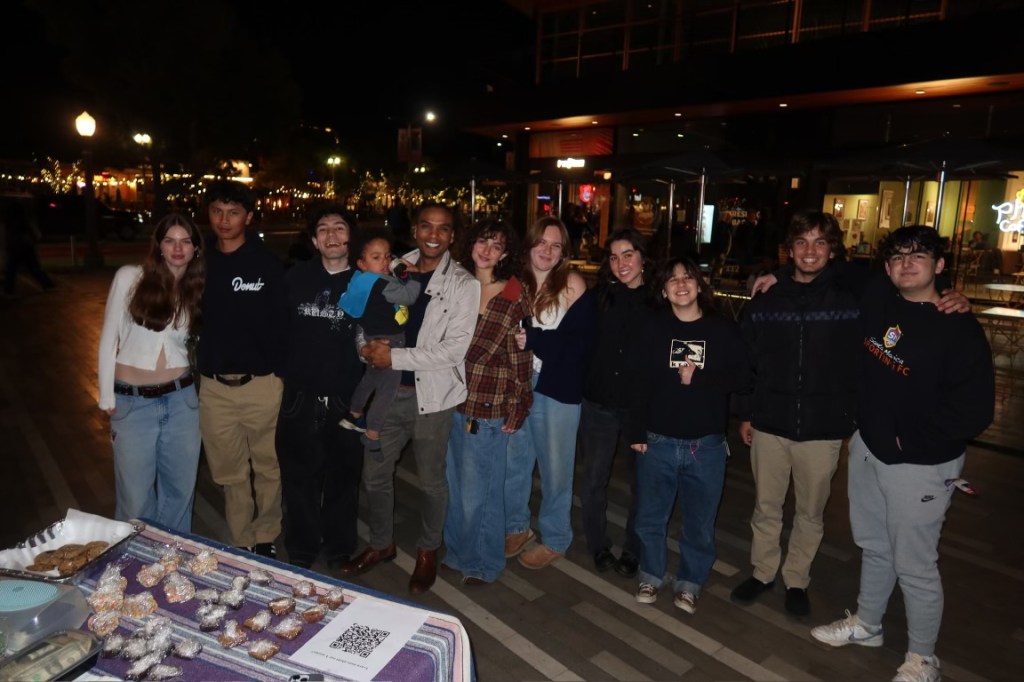
FLC delegate volunteers with the 52nd Youth Governor, Randall Winston, who is a campaign donor
Youth and Government is a program that has deep personal and educational value in the lives of both current and former delegates, advisors, and program staff across the country. While the goal of Y and G is to provide community and education for youth of all backgrounds, the reality of its inaccessibility must be addressed. Y and G’s high enrollment cost excludes many young people with incredible potential to contribute to the program. This price tag is a product of the many moving pieces that are involved in operating Youth in Government, including food, housing, security, and travel. The current baseline cost of housing and feeding delegates at conferences is $825, which does not account for security costs, program staff wages, and any extra services provided by individual delegations. Evidently, the lack of affordability of Y and G is an exceedingly complex challenge to overcome.
Aiming to remedy this pervasive issue, the Future Leaders Campaign, or FLC, has long been conducting a variety of fundraising endeavors. The program involves both delegates and adult volunteers in campaigns to increase Y and G’s scope and accessibility. Lola Stark of the Foothills Delegation is Governor Nicholas Johnson’s chief of staff and the head of the FLC Youth Division. She explained that within FLC “…there’s an adult division and a youth division and they both raise money through campaigning like emails, calls, [and] pledge cards. They raise money for scholarships for students who can’t afford this program at its current price.” Stark deeply values the presence of Y and G in her life, recognizing that “it is such a luxury.” Along with many members of the youth and adult divisions, she seeks to “give back to the program” and provide students around California with the opportunity to experience the magic of Y and G.
Stark detailed the structure of the Youth Division, stating, “… there’s a section leader who is in charge of four different campaigning teams, and then each of the teams has a team captain with five of their own campaigners… once you sign up to be a campaigner you would get assigned to a team captain.” Stark added that “traditionally the chief of staff is the one who oversees the youth division, so, when I was appointed by [Governor] Nick Johnson as his chief of staff, I assumed the position of youth division manager of FLC.”
Finding that “the number of people in FLC is steadily declining over the years,” she hopes “to see more people participate.” Despite diminishing numbers of FLC campaigners, the program has maintained an impressive fundraising yield. FLC has “raised about $83,000” this year, according to Stark. She highlighted the achievements of the youth division volunteers, who are “given a $250 goal” for their two-to-three month campaign. Delegates are incentivized to reach their fundraising goals with FLC merch and other larger rewards.
Tonya Kamaloni, who offers website support, handles pledges, and answers general campaign questions for FLC, gave insight into some of her central goals for FLC’s campaign growth in the coming years. Kamaloni said she “would really like to recruit more community campaigners” to join the community division, which is made up of adult volunteers, many of whom are program staff, advisors, or former delegates. Kamaloni firmly believes that expanding this particular FLC campaign team would immensely aid in increasing the accessibility of Y and G overall. She notes that Y and G leadership is always working toward cutting the expenses of the program while simultaneously upholding previously established standards of quality. She views FLC as an integral “safeguard” of the current programs within Youth and Government as well as an important advocate of financial inclusivity.
Speaking about the positive impact of the Future Leaders Campaign on the accessibility of Y and G so far, Kamaloni said, “I have seen the power of fundraising efforts from our volunteers that raise the money and our donors that give to the program really make the difference for scholarships. Accessibility is ultimately what we want. We want everybody to be able to participate that wants to.”
Many giving volunteers have devoted their time and energy to partnering with FLC because the mission of the campaign resonated deeply with them. Tonya Kamaloni cites the motivation for her involvement in FLC, saying, “I knew how expensive the program could be for some students, and that’s what really spoke to me and why I took it as my personal challenge to help raise funds.” She explained that the funds often go toward offsetting the enrollment costs of the program for delegates and assuring that Youth and Government remains endowed with experienced program staff, advisors, and security.
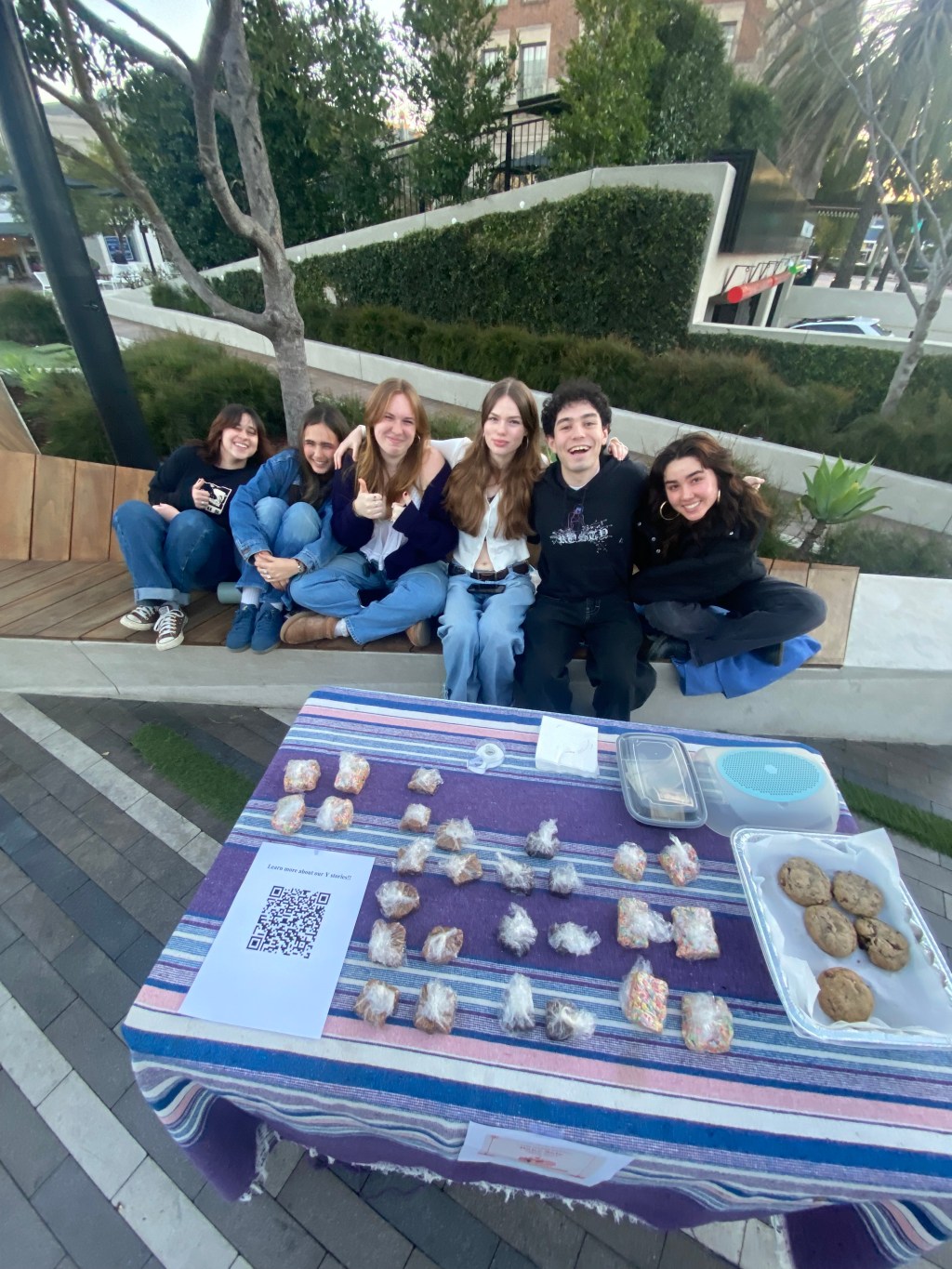
Kamaloni was excited to see delegates running both public pop-up sales and snack sales during their delegation meetings as methods of spreading the word about Youth and Government in their communities and fundraising for FLC. She says that the fundraising efforts are “peer to peer,” and some delegates “ask their friends and family to help.” Lola Stark shared in the sentiment that FLC is a community-based campaign, referencing some of the more “traditional” forms of fundraising including emailing, calling, and otherwise communicating with “relatives and family members.” Through this outreach, the program succeeds in both raising funds and facilitating the sharing of Y and G stories across a multitude of diverse communities. FLC encourages all delegates and adults in the Y and G community to begin their campaigning journeys and contribute in the form of donations. Applications for delegate volunteers open directly after Camp Roberts and the bulk of delegate fundraising is spread across the period prior to Sacramento. In order to work towards including every young person who seeks education and experience in government, it is entirely necessary for a greater number of current and past program participants to become actively involved. The mission of FLC extends beyond the provision of scholarships, with the campaign taking one step at a time toward eliminating the exclusion of socioeconomically disadvantaged people as a whole. As a Model Legislature and Court, it is fundamental that all demographics and backgrounds be afforded an equitable chance to be represented.


 The Daily Delegate
Leave a comment