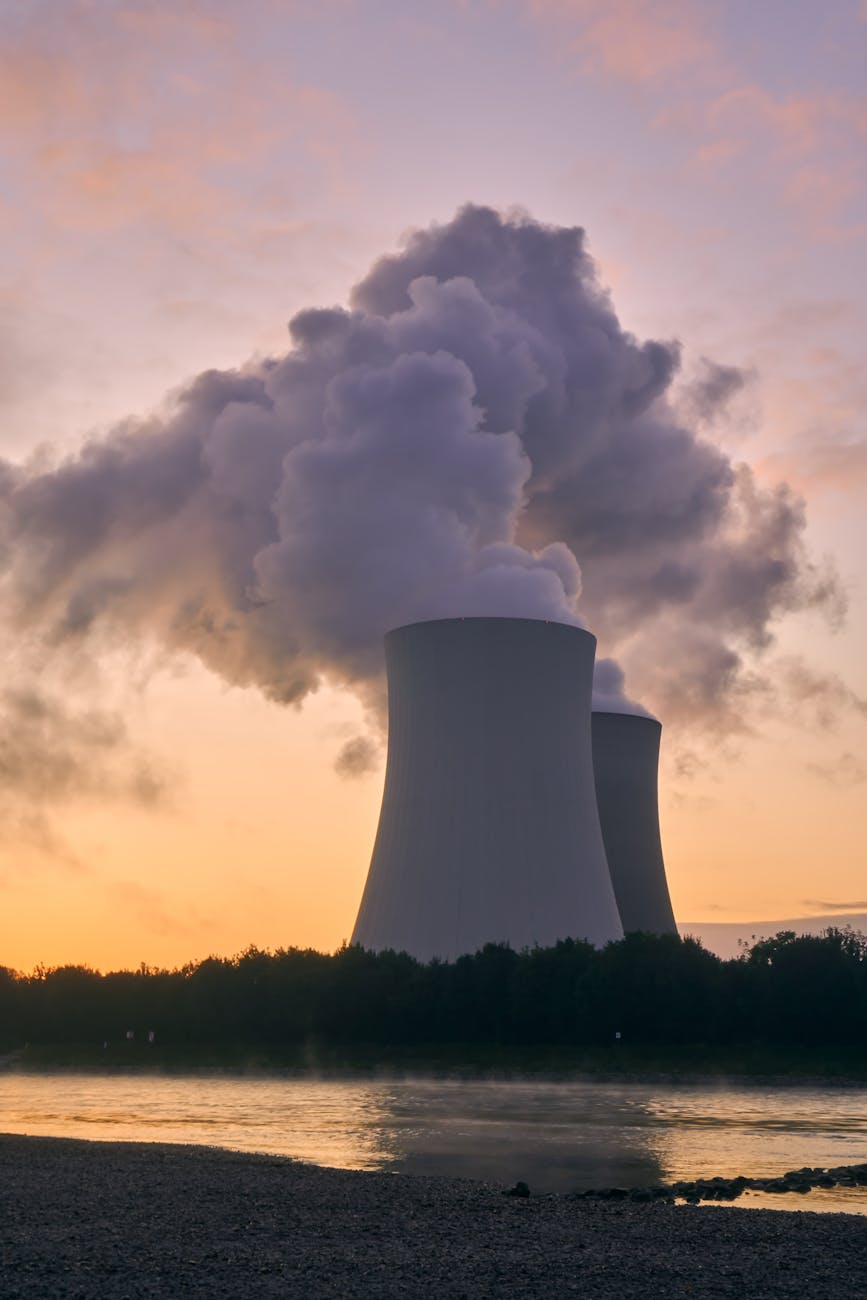
The IAEA, International Atomic Energy Agency, states, nuclear energy is a powerful form of energy that is produced through the process of nuclear fission, where the nucleus of an atom is split into smaller parts, releasing a significant amount of energy. This energy is then harnessed in nuclear reactors to generate electricity, offering an alternative to traditional fossil fuels. Unlike burning coal or natural gas, nuclear power plants emit little to no greenhouse gases, contradicting what some may believe. This energy is a potential solution to combat climate change. However, it also comes with challenges such as safety concerns, radioactive waste disposal, and high costs, which require careful consideration and management.
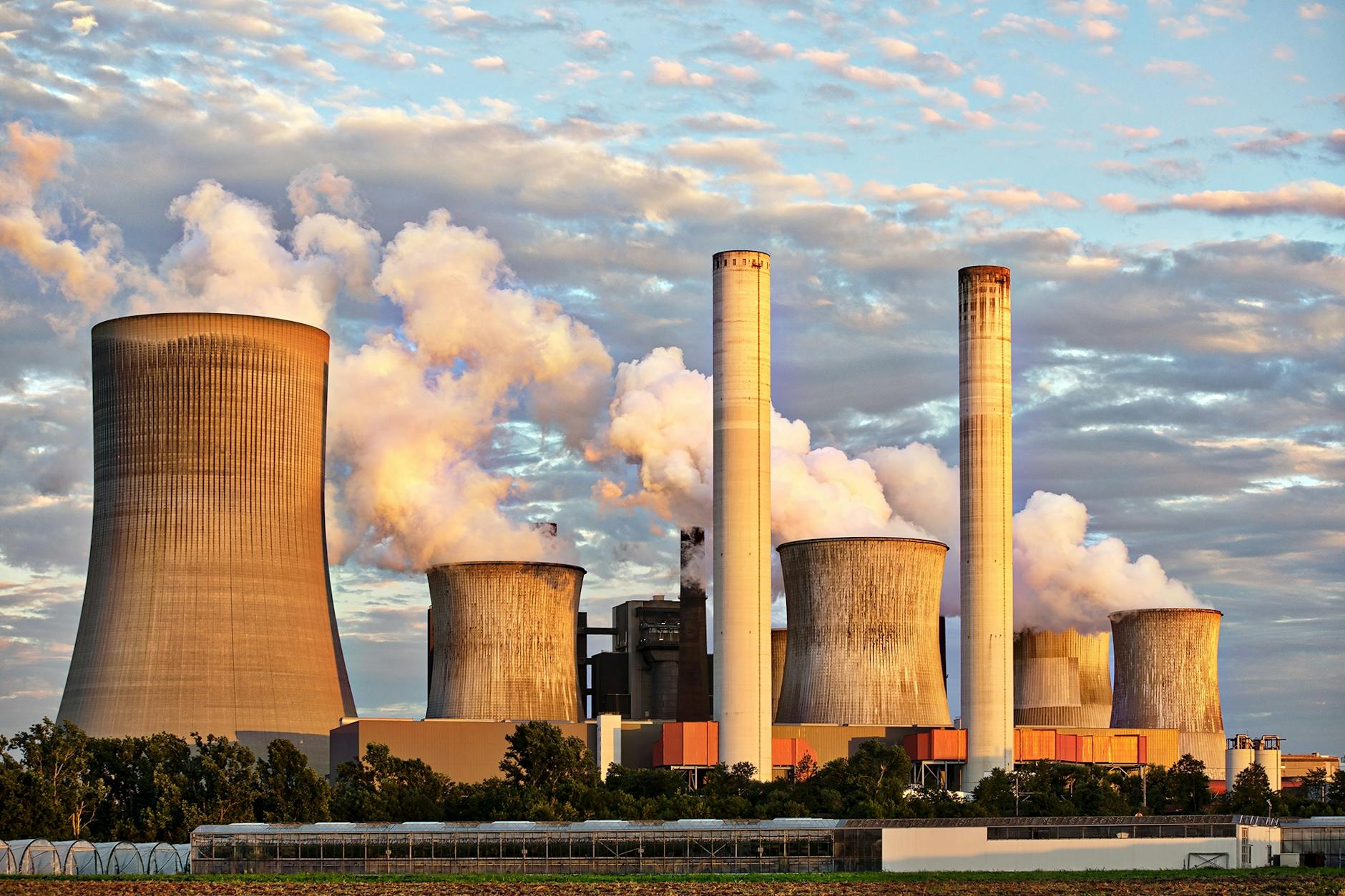
The Leibstadt Nuclear Power Plant in Switzerland
Nuclear energy, particularly through the use of microreactors, plays a crucial role in promoting environmental sustainability. Unlike fossil fuels, nuclear power generates electricity without emitting greenhouse gases, significantly reducing the carbon footprint. Microreactors, which are small, modular nuclear reactors, offer an even more efficient and flexible solution to clean energy production. The compact size of these devices allows for deployment in remote areas, reducing the need for long-distance energy transportation and minimizing infrastructure-related environmental damage. Additionally, microreactors create less nuclear waste compared to traditional reactors, and advancements in fuel recycling technology further enhance their sustainability. By replacing carbon-intensive energy sources with nuclear microreactors, societies can mitigate climate change, decrease air pollution, and create a more resilient and eco-friendly energy system.
There are several ways nuclear energy can be improved to have a greater positive impact on the environment in the future. One major advancement is the development of next-generation reactors, such as small modular reactors (SMRs) and advanced fast reactors, which are designed to be safer, more efficient, and produce less waste. Additionally, better fuel recycling can reduce the amount of long-lasting radioactive waste and make nuclear energy more sustainable. Scientists are also researching nuclear fusion, a process that could create large amounts of clean energy without dangerous waste or the risk of meltdowns. Furthermore, combining nuclear power with renewable energy sources like solar and wind can create a balanced and reliable energy system, reducing the need for fossil fuels even further. By continuing to develop and improve nuclear technology, we can make it a safer and more effective solution for a cleaner and healthier planet.


 The Daily Delegate
Leave a comment