Shawn Schmidt
Media Journalist
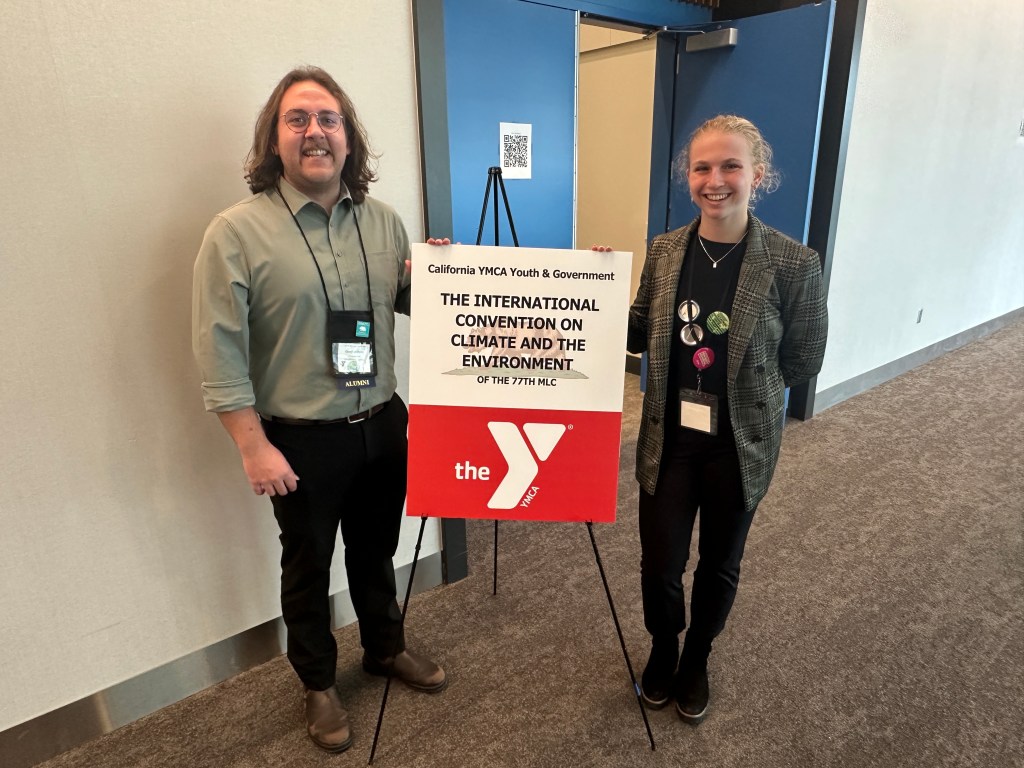
In Youth & Government’s International Convention (ICON), delegates take on the challenge of creating and passing proposals addressing environmental issues on a global scale. The process mirrors real-world legislative efforts, requiring collaboration, debate, and creative problem-solving.
How a Proposal Becomes Part of the International Climate Constitution
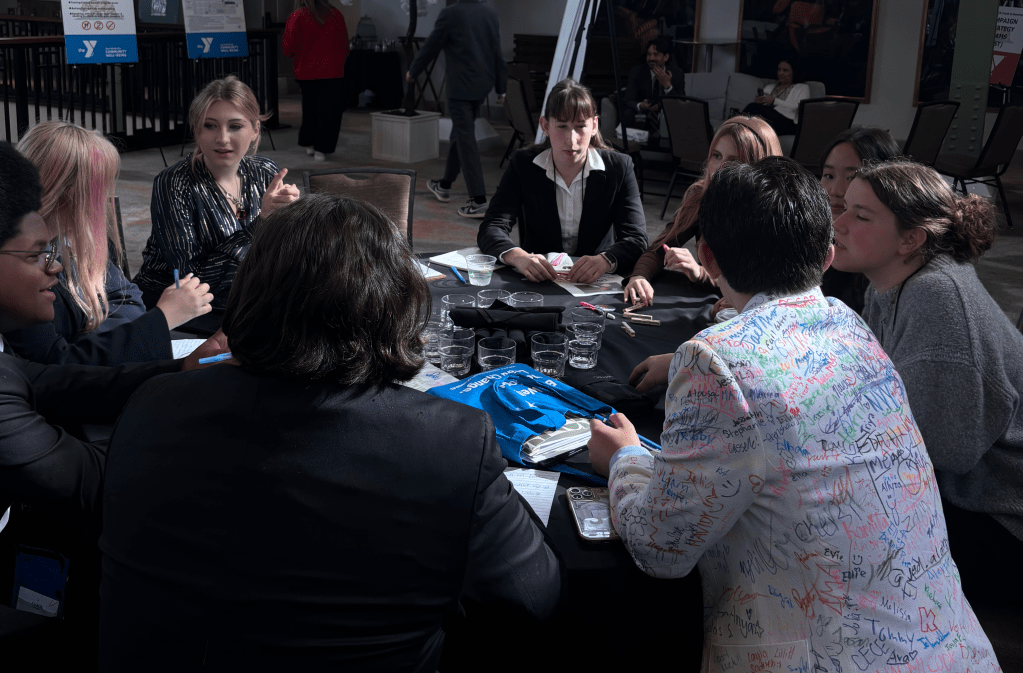
Delegates form groups and develop proposals focusing on environmental policies. Each proposal has an author, responsible for writing it, and a sponsor, who presents and advocates for it during debates. To move forward, a proposal must gather at least 20 signatures from other delegates, demonstrating support for discussion.
Once a proposal reaches the floor, the presenting member takes the podium to introduce it. Debate follows a structured format, featuring two pro speakers and two con speakers who argue for and against the proposal. Delegates can yield time to others, allowing for additional statements or questions. Finally, much like in the program’s legislative houses, a vote determines whether the proposal passes. Successful proposals are added to ICON’s International Climate Constitution, shaping the group’s vision for global environmental policy.
For many delegates, ICON is about more than just the policies debated—it’s about recognizing the broader impacts of climate change. Grant Hoffman, a member of the ICON program staff noted, “So many of us are suffering from the Los Angeles wildfires and the aftermath of that … but let’s also look at where else in the world people are having trouble and how we solve those problems.” This sentiment drives the spirit of ICON: thinking globally and acting collectively.
Notable Proposals:
Some proposals in ICON take a serious approach to global challenges, while others push the boundaries of realism.
One of the most ambitious proposals, Proposal #16, aimed to establish the United Organization Against Oil (UOAO), a coalition that would regulate oil production worldwide. Countries refusing to join would face trade tariffs when dealing with UOAO member nations. Supporters argued that this would protect smaller oil-producing nations, reduce environmental harm caused by oil dependency, and encourage a transition to electric vehicles by making oil more expensive. However, the proposal faced strong opposition due to the influence of OPEC, the lack of incentives for countries to join, and concerns about rising oil prices. While the idea sparked meaningful discussion, its feasibility remained a major challenge.
On the other end of the spectrum, Proposal #12 focused on Sharknado precautions, advocating for government intervention to prepare for potential Sharknado disasters. The authors cited increasingly erratic weather patterns and the failure of current infrastructure to handle extreme conditions. They even argued that if six movies were made about Sharknadoes, they must be real. Unsurprisingly, the proposal was met with skepticism. Opponents pointed out that Sharknadoes do not, in fact, exist and that humans have survived every Sharknado movie without government intervention. While the proposal may not have passed, it showcased the lighter side of ICON debates.
ICON: A Blend of Innovation and Imagination
ICON provides delegates with a platform to propose, debate, and refine environmental policy ideas in a structured yet creative setting. While some proposals tackle serious global concerns, others showcase the humor and imagination that make Youth & Government an unforgettable experience. As the program continues, one thing is clear: whether it’s combating oil dependence or preparing for airborne sharks, ICON remains a space where delegates can think big, sometimes really big.


 The Daily Delegate
Leave a comment