By Anna Zhen
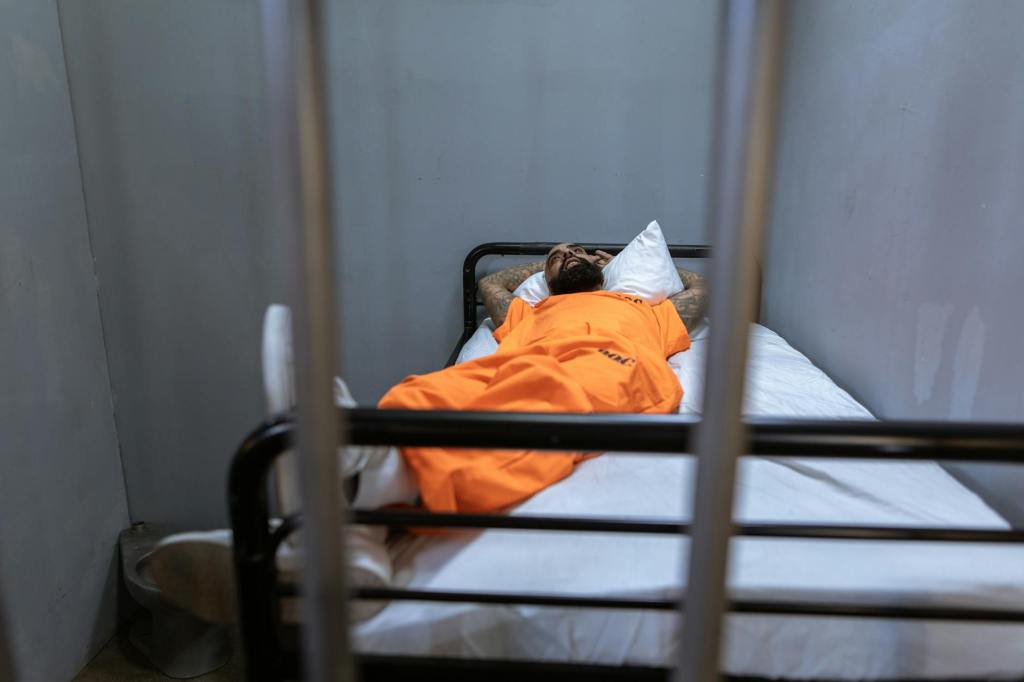
This bill covers the rehabilitation of the well-being of prisoners to ensure mental stability and prevent further reincarceration. This generation believes justice should not just punish the wrongdoer but also restore the well-being of those who made mistakes. Reforming the prison system to help in rehabilitation will affect incarcerated people. Too often, prisoners are locked away in isolation for up to 23 hours a day. They barely receive human contact, which worsens depression and anxiety rather than correcting their behavior. Embodying mental health care, educational opportunities, or having respectful treatment from officers can improve stability and reduce the reincarceration rates. Studies frequently show that untreated mental illness relapses, for example, “Those addicted to illegal substances may begin to seek out the substances again, and drug charges can add up and lead to another stay in prison” (Galletta, E. et al. gv(2021).
Societal reentry of prison inmates with mental illness: Obstacles, programs, and best practices, Journal of correctional health care : the official journal of the National Commission on Correctional Health Care
This means that prisoners are more likely to return to prison if their mental needs are ignored. Prisons should give individuals an opportunity to reflect and improve themselves to reunite with society. Creating programs for engagement to provide somewhat of a structured freedom, which encourages personal growth. People should care as safer prisons lead to safer communities, when an individual returns home with a stable mentality and standard coping skills. Crime rates can decrease, and families can remain stronger.



 The Daily Delegate
Leave a comment